Ethical Finds in the Julian Alps: Shop Local With Confidence
Set your compass for an ethical souvenir guide that shows exactly where to buy locally made goods across the Julian Alps without falling for greenwashing. We will celebrate genuine makers, verify origin with practical steps, and highlight welcoming places where your purchase sustains mountain communities, not marketing claims. Expect clear tips, real examples, seasonal advice, and inspiring stops that turn every memento into a story worth retelling and sharing with friends who care about honest craftsmanship and authentic flavors.

How to Spot Authentic Craft and Food
Authenticity in the Julian Alps reveals itself through traceable materials, maker names, patient processes, and modest storytelling grounded in place. Look for regional certifications and community endorsements, ask confident questions, and follow your senses: finishes that feel lived-in, flavors shaped by altitude and seasons, and packaging that explains who, where, and why. When the story aligns with the object in your hand, you are not just buying something pretty; you are honoring knowledge carried across valleys and generations.
Where to Buy: Markets and Co‑ops
{{SECTION_SUBTITLE}}
Morning Farmers’ Markets
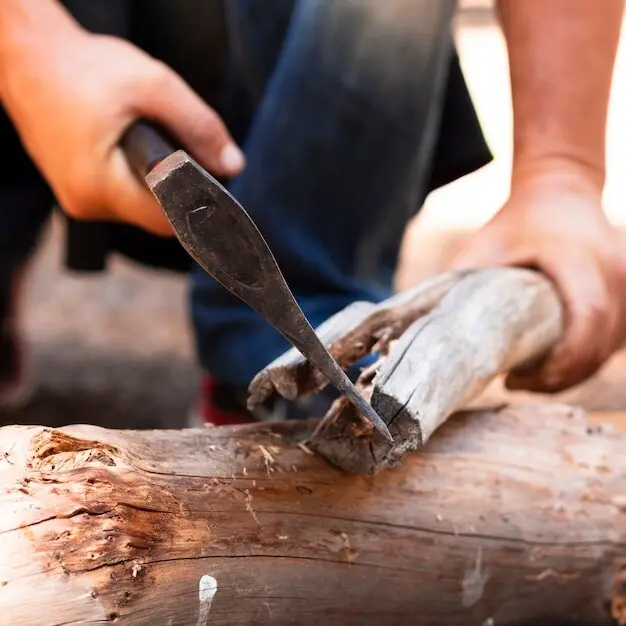
Plan early visits to village squares in places like Bohinjska Bistrica, Kobarid, Tolmin, Bovec, or Kranjska Gora, where crates of herbs and wheels of mountain cheese share space with rugged bread and seasonal berries. Markets may rotate by weekday or month, so ask tourist offices for fresh schedules. Bring cash and an open mind. Sampling is welcomed, questions are celebrated, and you will often leave with stories that somehow make every bite taste brighter back home.

Community Shops and Co‑operatives
Seek cooperative outlets and dairy shops that aggregate producers under one transparent roof, such as Planika Dairy stores in Kobarid or near Most na Soči, and village-run boutiques carrying multiple artisans’ work. These spaces usually display producer lists, sourcing maps, and certificates you can read. Staff members know the makers personally and recommend items by season. Your purchase helps maintain fair pricing, cold-chain integrity for foods, and shared marketing that small, remote producers could not fund alone.
Cheesemakers in the High Pastures

Up on summer pastures such as Zajamniki or Uskovnica above Bohinj, you may meet herders crafting wheels shaped by altitude, breed, and grasses. Ask about Mohant, Tolminc, or Bovški sir, and learn how aging caves or wooden racks shape flavor. Availability depends on weather and grazing, so verify access and season. Buy vacuum-sealed cuts to travel safely, and thank them for the dedication it takes to tend animals and curd through storms, dawns, and long, unpredictable Alpine nights.
Beekeepers and Painted Panels

Slovenia’s beekeeping heritage thrives near the Julian Alps, where apiaries shelter Carniolan bees and families produce nuanced honeydew, linden, or forest honeys. Some workshops also present hand-painted beehive panels, echoing folk art once adorning wooden hives. Ask to taste varietals, compare harvest notes, and understand how altitude or flowering windows affect character. Buy glass over plastic when possible, and pack carefully. Your purchase supports pollinator guardians whose quiet work nourishes meadows, orchards, and every picnic you will remember.
Wood, Wool, and Metal Workshops
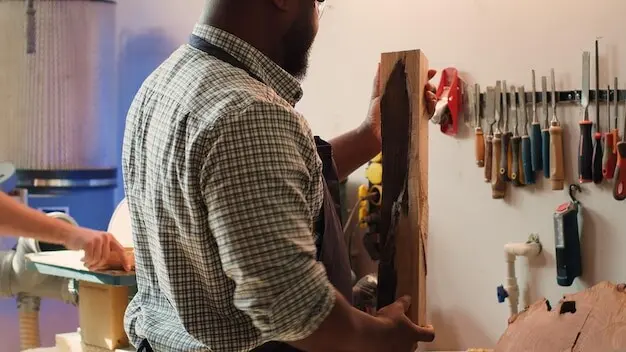
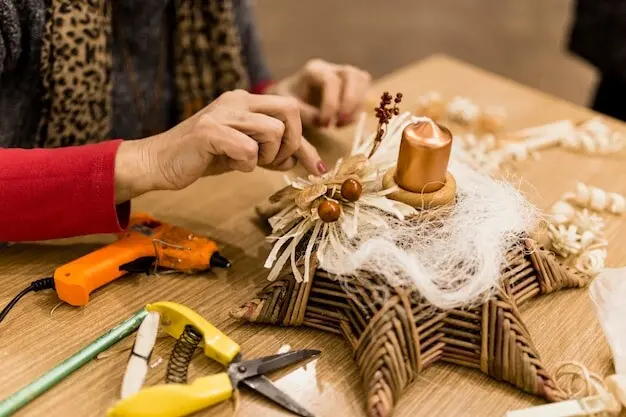
Look for felters transforming hardy mountain wool into warm slippers, woodworkers shaping spoons from storm-fallen beech, and smiths forging tools that feel instantly destined for a lifetime of kitchens and camps. Ask about offcuts, natural finishes, and repairability. Many artisans welcome modest customizations or inscriptions, often while you wait. Buying directly respects hours at the bench and the quiet craft lineage carried in calloused hands. Each piece becomes a companion that ages well, holding mountain tales between everyday moments.
Taste You Can Pack: Ethical Edibles
Food travels best when provenance is clear, packaging is thoughtful, and customs rules are respected. Choose items that withstand journeys—aged cheeses, honey, herbal teas, jams, syrups, or liqueurs—while honoring seasonality and small producers’ limits. Avoid unnecessary plastic and single-use gimmicks; invest instead in concentrated quality with a story. Ask for travel-friendly seals, ingredient lists, and producer contacts. Later, when you uncork or unwrap, you will revisit turquoise rivers, spruce shadows, and conversations still warming your kitchen.
Seasonal Calendar and Sustainable Timing
Timing enhances both authenticity and your impact. The Julian Alps move through blossoms, pastures, and snow with steady grace, and makers adjust their rhythms accordingly. Arrive when workshops can host respectfully, when pastures sing, and when markets overflow without strain. Traveling outside peak weekends eases infrastructure and deepens conversations. Align your appetite with what the season offers, and you will naturally curb waste, avoid rushed purchases, and welcome serendipity—the sweetest guide to souvenirs that truly hold memory.
Itineraries for Conscious Collectors
Design gentle loops that prioritize conversations over checklists. Each suggested route balances scenery with time to ask questions, compare labels, and sip water between tastings. Public transport, slow driving, and short walks keep your footprint light, while flexible stops mean you can linger where stories blossom. Bring a small notebook to record names, certifications, and care tips. Back home, your souvenirs will remain connected to people and moments rather than pins on a rushed digital map.

Make It Count: Budget, Packing, and Giving Back
Choose fewer, better items; protect them well; and keep relationships alive afterward. A mindful budget channels support to craftspeople you truly admire, not impulse buys. Thoughtful packing prevents breakage and waste. Sharing maker contacts, writing kind reviews, and donating to local conservation or cultural initiatives extend your impact. Ethical buying is not only what you take home—it is how you honor the valley, ensuring its songs and skills continue for travelers arriving with curious hearts tomorrow.
Set an amount that reflects gratitude for time-consuming craft and transparent sourcing. Allocate by category—edibles, textiles, woodwork—then leave a margin for surprise encounters. Ask about care and repair to stretch value over years. Resist bundles designed to upsell without context. One extraordinary spoon or scarf often outlasts a suitcase of forgettable trinkets. Treat every receipt as a promise to remember names, places, and patience poured into things that quietly upgrade daily rituals back home.
Carry a compact roll of paper, a soft cloth, and resealable bags. Place glass at the bag’s core, cushion with clothing, and avoid luggage edges. Separate strong aromas from textiles, and secure vacuum-sealed cheeses within an additional pouch. Keep receipts and certificates flat, ready to show at borders. Label everything with maker names to remember who to thank later. This simple care turns transit into stewardship, ensuring treasures arrive sound and stories remain sweetly intact.
All Rights Reserved.